Metal Roofing vs Asphalt Shingles for North Texas Homes
If you're replacing a roof in the DFW area, you'll eventually face this choice: metal roofing or asphalt shingles. Both are legitimate options for North Texas homes, and neither is right for everyone. The decision comes down to your budget, how long you plan to stay in the home, what your insurance situation looks like, and how much maintenance you want to take on. High-quality roofing services can deliver strong results with either material, but only if the choice is matched to the right situation. This guide breaks down both options so you can make an informed call.
What Asphalt Shingles Are and How They Perform in DFW
Asphalt shingles are the most widely used roofing material in North Texas. They are made from a fiberglass base coated with asphalt and topped with mineral granules that protect against sunlight and weather.
There are two main types used in DFW homes. Three tab shingles have a flat appearance, while architectural shingles are thicker and more durable with better wind resistance. Many contractors install architectural shingles as a standard option because they hold up better over time.
In DFW conditions, asphalt roofs usually last 20 to 30 years. Heat, strong sun, and hail can shorten that lifespan. Impact resistant shingles with a Class 4 rating perform better in these conditions and may also qualify for insurance discounts.
What Metal Roofing Is and How It Performs in DFW
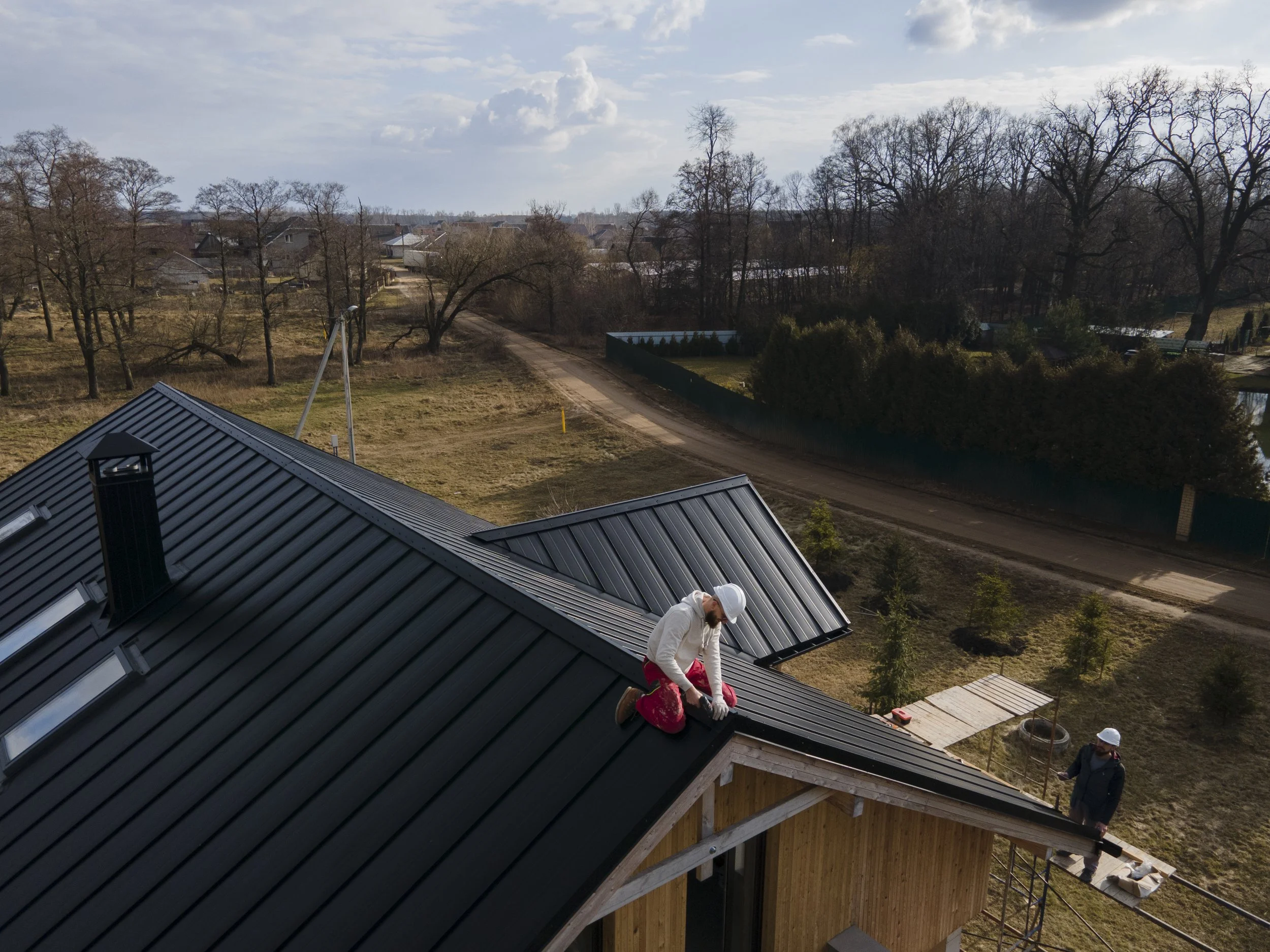
Metal roofing in North Texas typically refers to standing seam panels that run vertically from the top of the roof to the edge. These panels interlock and create a durable, weather resistant surface.
Metal roofs generally last 40 to 70 years, which is much longer than asphalt. They require less maintenance and perform well in high wind and hail conditions. While large hail can cause cosmetic dents, structural damage is less common compared to asphalt shingles.
Metal also reflects more sunlight, which can help reduce heat buildup in the attic. With proper ventilation, it performs well in Texas heat and contributes to better energy efficiency.
Cost Comparison: Upfront and Over Time
Cost is often the deciding factor. Asphalt shingles have a lower upfront cost, making them the more accessible option for most homeowners.
Metal roofing costs more initially due to materials and installation. However, its longer lifespan means it may not need replacement for decades. Over time, this can reduce overall costs, especially for homeowners planning to stay long term.
Warranty Comparison
Warranties differ significantly between the two systems, and the installer plays an important role in how those warranties are applied.
Asphalt shingles can come with strong manufacturer warranties, especially when installed as a complete system. Higher tier options may include long term coverage that does not decrease over time.
Metal roofing warranties vary by manufacturer and typically include coverage for the finish and structural performance. It is important to review both material and workmanship coverage before committing.
Insurance Implications in DFW
Insurance is an important consideration in North Texas, where hail storms are common. Some insurance providers place restrictions on older asphalt roofs or increase deductibles for wind and hail coverage.
Metal roofing can reduce the likelihood of frequent claims due to its durability. Both metal and certain asphalt products with impact resistant ratings may qualify for insurance discounts, depending on your provider.
Which Is Right for Your Home
Asphalt shingles are a good fit if you want a reliable and cost effective option with solid performance and lower upfront investment. They are especially practical if you do not plan to stay in the home for several decades.
Metal roofing is better suited for homeowners looking for a long term solution with minimal maintenance and fewer replacements over time. It is also a strong choice for those who want added durability in areas with frequent storms.
Both materials can perform well in North Texas when installed correctly. The best choice comes down to your priorities, timeline, and budget.
Related Topics: