Benefits of Installing a Metal Roof in the Texas Climate
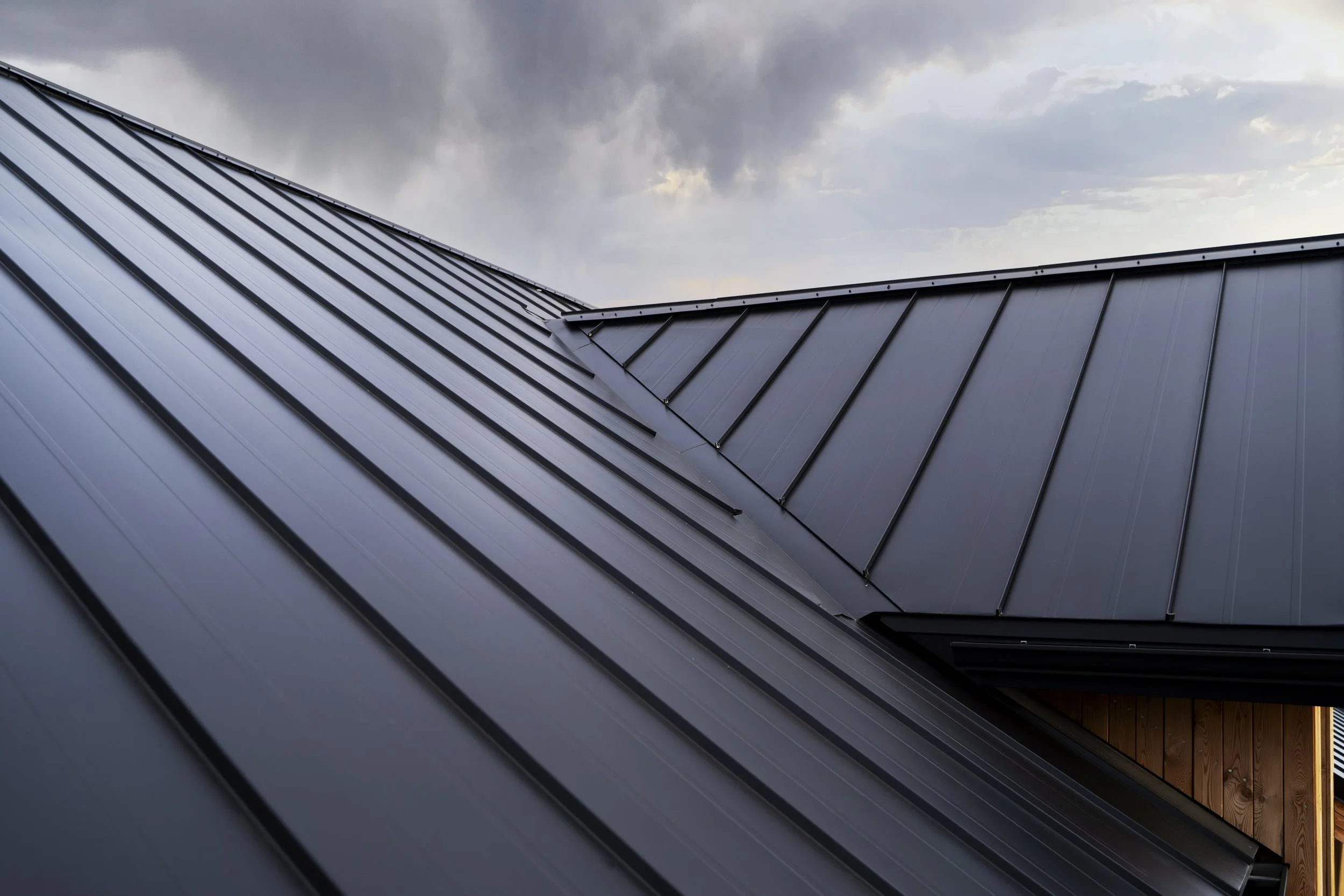
Texas puts roofing through more abuse than almost any other climate in the country. Summers push attic temperatures past 150 degrees. Hail storms hit the DFW area multiple times per year, and wind gusts during severe thunderstorms regularly exceed the rating on standard asphalt shingles. Through all of it, the roof on your home is expected to hold, which is why reliable roofing contractors across North Texas keep steering homeowners toward materials built for this kind of punishment.
Metal roofing has become a practical pick for North Texas homeowners, not because of how it looks, but because of how it performs in these exact conditions. This article covers the specific advantages metal roofing offers in the Texas climate and what to weigh before making the switch.
Longer Lifespan Than Asphalt Shingles in the Texas Climate
An asphalt shingle roof in North Texas typically lasts 20 to 30 years, depending on shingle grade, installation quality, and ventilation. DFW's combination of intense UV exposure, high summer heat, and frequent hail events accelerates shingle degradation compared to cooler or less storm-prone climates.
Metal roofing generally lasts 40 to 70 years. That lifespan advantage changes the cost math considerably. A homeowner who installs a metal roof in their 40s may never need to replace it again. A homeowner who installs asphalt shingles will likely replace the roof at least once before the end of the same period.
For property owners making a long-term investment in the home, the lifespan difference alone is often the deciding factor.
Better Performance Under Hail Impact
The DFW metro sits in one of the most active hail corridors in the country. Hailstones large enough to crack asphalt shingles and strip granules are not unusual events in Fort Worth, Keller, Southlake, or the surrounding suburbs.
Metal roofing handles hail differently than asphalt. There are no granules to lose and no mat to crack. The impact response of a metal panel depends on the material, gauge, and profile of the panel, but standing seam systems in heavier gauges are significantly more resistant to hail penetration than asphalt shingles.
The most durable option for hail resistance is a steel panel with a Class 4 impact rating, which is the highest impact resistance rating available for roofing materials. Aluminum panels offer less hail resistance than steel and can dent under large hailstones, though functional penetration remains uncommon.
Some insurance carriers in Texas offer premium discounts for Class 4 impact-resistant roofing materials. Ask your insurance agent whether your policy qualifies.
Reduced Heat Transfer in Texas Summers
Asphalt shingles, particularly dark-colored products, absorb solar radiation and transfer heat into the attic below. In Texas summers, where direct sunlight is intense and temperatures stay high for months, that heat transfer adds to cooling loads and accelerates shingle deterioration from the underside.
Metal roofing reflects more solar radiation than dark asphalt, reducing the amount of heat transferred into the attic. Lighter colors reflect more than darker finishes, but even standard metal roofing outperforms standard asphalt on solar reflectance.
Proper ventilation below the metal panels is important for maximizing this benefit. Metal roofing installed without adequate ventilation does not perform the same way as a properly ventilated system. Fort Tex Metals and Roofing assesses ventilation as part of every roofing consultation.
Lower Long-Term Maintenance Costs
Asphalt shingles require more maintenance attention over their lifespan than metal roofing. Granule loss, cracking, and lifted shingle tabs are all common issues that develop over time and require periodic repair. After a storm, an asphalt roof is more likely to need patch work to address localized damage.
Metal roofing has fewer ongoing maintenance needs. The surface does not degrade the same way over time, and a properly installed standing seam system has no exposed fasteners to back out or corrode. The most common maintenance items on a metal roof are sealant at penetrations and periodic inspection of any pipe boots or flashing transitions.
Over a 40-year lifespan, the cumulative maintenance and repair costs on an asphalt roof often exceed those of a metal roof, narrowing the upfront cost gap between the two systems.
Wind Resistance Across the Board
North Texas severe thunderstorms regularly produce wind gusts strong enough to lift asphalt shingle tabs, pull flashing away from transitions, and peel back improperly installed sections of roofing. A standing seam metal roof, with its interlocking panel design and no exposed fasteners, handles wind events fundamentally differently than a shingle system.
All roofing tiers at Fort Tex Metals and Roofing carry a 130 MPH wind speed warranty. For metal roofing, the panel design and gauge of the material contribute directly to wind resistance beyond the warranty threshold.
Fire Resistance
Metal roofing carries a Class A fire rating, the highest available. This is relevant in North Texas where dry conditions in late summer and fall can create brush fire risk in more rural or semi-rural areas outside Fort Worth. Asphalt shingles can also achieve a Class A rating when installed over a fire-resistant underlayment, but metal's rating is inherent to the material itself.
Considerations Before You Install
Metal roofing is not the right choice for every situation. A few factors worth weighing before deciding.
Upfront cost: Metal roofing costs more to install than asphalt shingles. The premium reflects the material cost and the more specialized installation process. For homeowners planning to sell the home within a few years, the return at resale may not justify the upfront difference over a well-warranted asphalt installation.
Noise: Metal roofing is louder than asphalt during rain events, particularly in lower-gauge panels without adequate insulation or solid decking beneath. This is a matter of preference for most homeowners, and proper installation minimizes the effect.
Matching for repairs: If a section of a metal roof is damaged and the original product has been discontinued, sourcing matching material can be challenging. This is less of a concern with standing seam systems, where panels can often be replaced individually, than with exposed-fastener profiles.
Fort Tex Metals and Roofing: Metal Roofing in Fort Worth and DFW
Fort Tex Metals and Roofing installs metal roofing across Fort Worth and the DFW metro through Worthouse, handling both standing seam and other residential metal roofing profiles.
They are a GAF Master Elite Contractor, a designation held by less than 3% of roofers in the United States, as well as an Owens Corning Preferred Contractor (Pantera Pros) and a GAF Solar Certified Installer. For homeowners interested in adding solar alongside a metal roof, they also install GAF Solar Timberline integrated solar roofing systems.
Fort Tex has operated in the Fort Worth area since 2019, with 100+ five-star Google reviews and over half of their business coming from referrals.
Related Topics: