Does Homeowners Insurance Cover Roof Leaks in Texas?
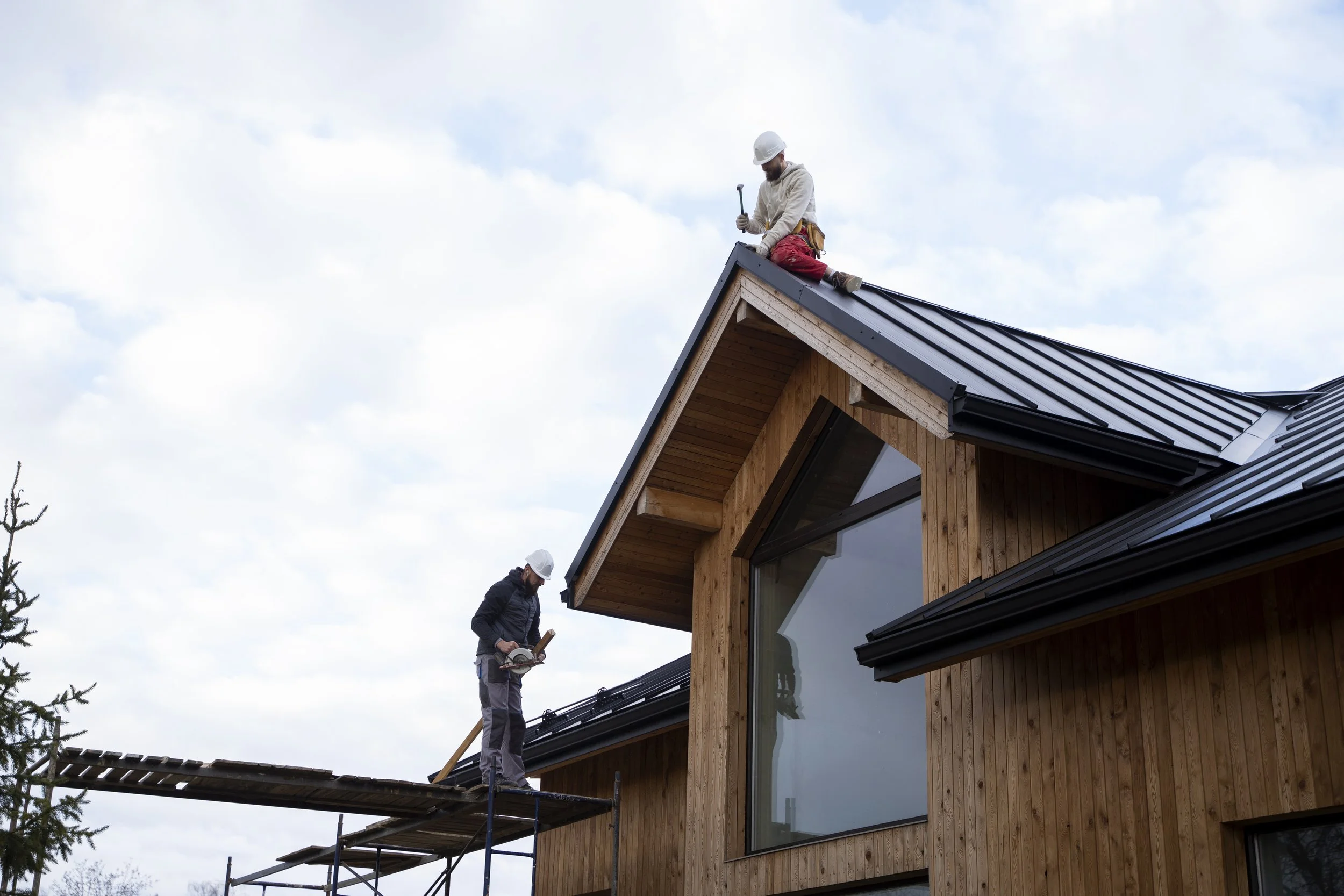
Whether your homeowners insurance covers a roof leak in Texas usually comes down to one thing: what caused the leak. Policies in Texas generally cover sudden, accidental damage. They won't cover damage that built up over time or came from deferred maintenance. Getting that distinction right before you file is what determines whether a claim is worth pursuing, and it's why a lot of homeowners bring in the best roofing services in Fort Worth, TX for an honest inspection before calling their adjuster.
What Texas Homeowners Insurance Typically Covers
Most standard homeowners insurance policies in Texas are written on an HO-3 form, which covers your home against all perils except those specifically excluded. For roofing, the covered causes most relevant to DFW homeowners are storm events.
Hail damage: Texas leads the country in hail claims. Hail that cracks shingles, strips granules, or bruises asphalt creates entry points for water. When a roof leak is traced directly to hail impact, it is generally a covered cause under most Texas policies.
Wind damage: High winds lift shingle tabs, pull flashing away from transitions, and can remove sections of roofing entirely. A leak caused by wind-damaged shingles or displaced flashing is typically a covered event.
Falling objects: A tree branch or other object that punctures the roof and allows water in is usually covered under standard HO-3 policies.
Fire and lightning: Damage to the roof from fire or lightning strikes is covered under most standard policies.
What Texas Homeowners Insurance Does Not Cover
Understanding exclusions is just as important as knowing what is covered.
Wear and age: If an adjuster determines that a leak is the result of a roof that has simply aged past its useful life, that is not a covered cause. Gradual deterioration is explicitly excluded under most policies.
Poor maintenance: A roof that has had known issues left unaddressed, flashing that corroded over years without repair, or gutters that backed up and caused water intrusion does not qualify as sudden or accidental damage.
Manufacturer defects: If your shingles failed due to a product defect rather than a storm event, that is a warranty claim against the manufacturer, not an insurance claim.
Flooding: Standard homeowners insurance does not cover flood damage, including water that enters the home from the ground up during a heavy rain event. Flood coverage requires a separate policy through the National Flood Insurance Program or a private carrier.
The ACV vs. RCV Distinction and Why It Matters
Even when a leak is caused by a covered event, the amount your insurance pays depends heavily on your policy type.
ACV (Actual Cash Value): Your insurance pays the depreciated value of the damaged roof at the time of the claim. A 15-year-old roof has depreciated significantly. Your payout may cover only a fraction of the replacement cost.
RCV (Replacement Cost Value): Your insurance pays the actual cost to replace the damaged roof with like materials, minus your deductible. This is the more favorable option for homeowners, but not every policy includes it.
Check your declarations page or call your insurance agent to confirm which type of coverage you carry. The difference between ACV and RCV on a full roof replacement in Fort Worth can be several thousand dollars.
Does the Cause of the Leak Change How You Should File?
Yes. The sequence matters.
If the leak followed a specific storm event, document everything before any work begins. Photos from the ground, the date of the storm, and any visible exterior damage are the foundation of a strong claim. Then get a contractor inspection before the insurance adjuster visits. A contractor who documents damage in detail before the adjuster arrives gives you a record to compare against the adjuster's scope.
If the leak has no clear storm event attached to it, an honest inspection from a qualified contractor will tell you what is causing it. If the cause is wear or age, an insurance claim is unlikely to succeed. If there is storm damage that was not reported at the time, the inspection may surface evidence that connects the damage to a prior event.
Fort Tex Metals and Roofing provides free inspections with photo and video documentation across the DFW area. Their team also meets with insurance adjusters and supports supplemental claims when the initial scope does not capture the full damage.
Does Your Deductible Affect Whether Filing Is Worth It?
Texas homeowners should check their policy for a separate wind and hail deductible before filing a claim. Many Texas policies carry a deductible for wind and hail that is calculated as a percentage of the home's insured value rather than a flat dollar amount.
On a home insured for $400,000 with a 2% wind and hail deductible, the out-of-pocket amount before insurance pays is $8,000. If the repair or replacement cost is below that threshold, filing a claim may cost more in future premium increases than it saves.
Ask your insurance agent what your wind and hail deductible is before deciding whether to file. A contractor estimate gives you the number you need to make that comparison.
What to Do If Your Claim Is Denied
A denial is not always final. The most common reasons for denial are insufficient documentation, damage attributed to wear rather than a storm event, or damage that was missed during the adjuster's inspection.
If your claim is denied:
Get the denial in writing with the specific reason stated.
Request a re-inspection with a contractor present.
Ask your contractor to prepare supplemental documentation for any damage the adjuster missed.
File a complaint with the Texas Department of Insurance if the insurer has not responded appropriately.
Fort Tex Metals and Roofing supports clients through the supplemental claim process. They do not file claims on behalf of homeowners and they do not waive deductibles, but they provide thorough documentation, meet with adjusters, and help identify what was missed in the original inspection.
Fort Tex Metals and Roofing: Free Inspections Across Fort Worth and DFW
Fort Tex Metals and Roofing is a family-owned exterior contractor based in Fort Worth, Texas, serving residential and commercial property owners across the DFW metro since 2019. Their services cover roofing, roof repair, storm damage restoration, gutter installation, GAF Solar roofing, exterior painting, and fence repair.
They are a GAF Master Elite Contractor, a designation held by less than 3% of roofers in the United States, which allows them to offer the GAF Golden Pledge Warranty: 50 years non-prorated on materials and up to 10 years on workmanship. They are also an Owens Corning Preferred Contractor (Pantera Pros), a GAF Solar Certified Installer, and a BBB Accredited Business with 100+ five-star Google reviews.
Over half of their business comes from referrals.
Frequently Asked Questions
Does homeowners insurance cover a roof leak caused by a storm in Texas? Yes, in most cases. If a roof leak is directly caused by a covered event such as hail or wind, most standard Texas homeowners insurance policies will cover the repair or replacement cost minus your deductible. The specific coverage depends on your policy type and whether you carry ACV or RCV coverage.
Will insurance cover a roof leak on an old roof in Texas? It depends on the cause. If the leak is the result of storm damage, the age of the roof affects the payout under an ACV policy but does not automatically disqualify the claim. If the leak is the result of wear, deterioration, or deferred maintenance, most policies will not cover it regardless of age.
What is the difference between an ACV and RCV policy for roof damage? ACV (Actual Cash Value) pays the depreciated value of your roof at the time of the claim. RCV (Replacement Cost Value) pays the actual cost to replace the damaged section with like materials, minus your deductible. RCV coverage is more favorable to the homeowner. Check your declarations page to confirm which type you have.
Do I need to file a claim right away after noticing a roof leak? You should document the damage as soon as possible, but you do not need to file immediately. Get a contractor inspection before the adjuster visit to establish a documented record of what caused the leak and what damage exists. In Texas, homeowners generally have two years from the date of loss to file a claim.
What if my insurance adjuster says the damage is from wear and not a storm? Request the denial in writing and get a second contractor inspection. If a storm caused the damage, a thorough inspection with photo and video documentation can contradict the adjuster's assessment. A supplemental claim with strong contractor documentation is a common path to overturning this type of denial.
Does Fort Tex Metals and Roofing help with insurance claims for roof leaks? Yes. Fort Tex provides free inspections with photo and video documentation, meets with insurance adjusters, and supports supplemental claims when initial scopes are incomplete. They do not file claims on behalf of homeowners and they do not waive deductibles, but they guide clients through every step of the process.
Contact the Trusted Roofing Experts in Dallas–Fort Worth
If you’re dealing with roof damage, aging shingles, or storm-related issues, getting professional help early can save you time and money. The team at Fort Tex Metals & Roofing provides reliable roofing solutions for homeowners and businesses across the Dallas–Fort Worth area.
From roof repairs and full replacements to gutter services and solar detach & reset, their experienced team ensures your property stays protected with durable materials and expert workmanship.
Whether you need a quick repair or want a professional inspection, their team is ready to help you find the best solution for your roof.
Schedule your free roof inspection or request an estimate today.
Phone: (682) 313-4066
Email: info@ftmandroofing.com
Or visit their website to learn more about their services and start your roofing project with confidence.
Related Topics: