What to Do If Your Roof Insurance Claim Is Denied in Texas
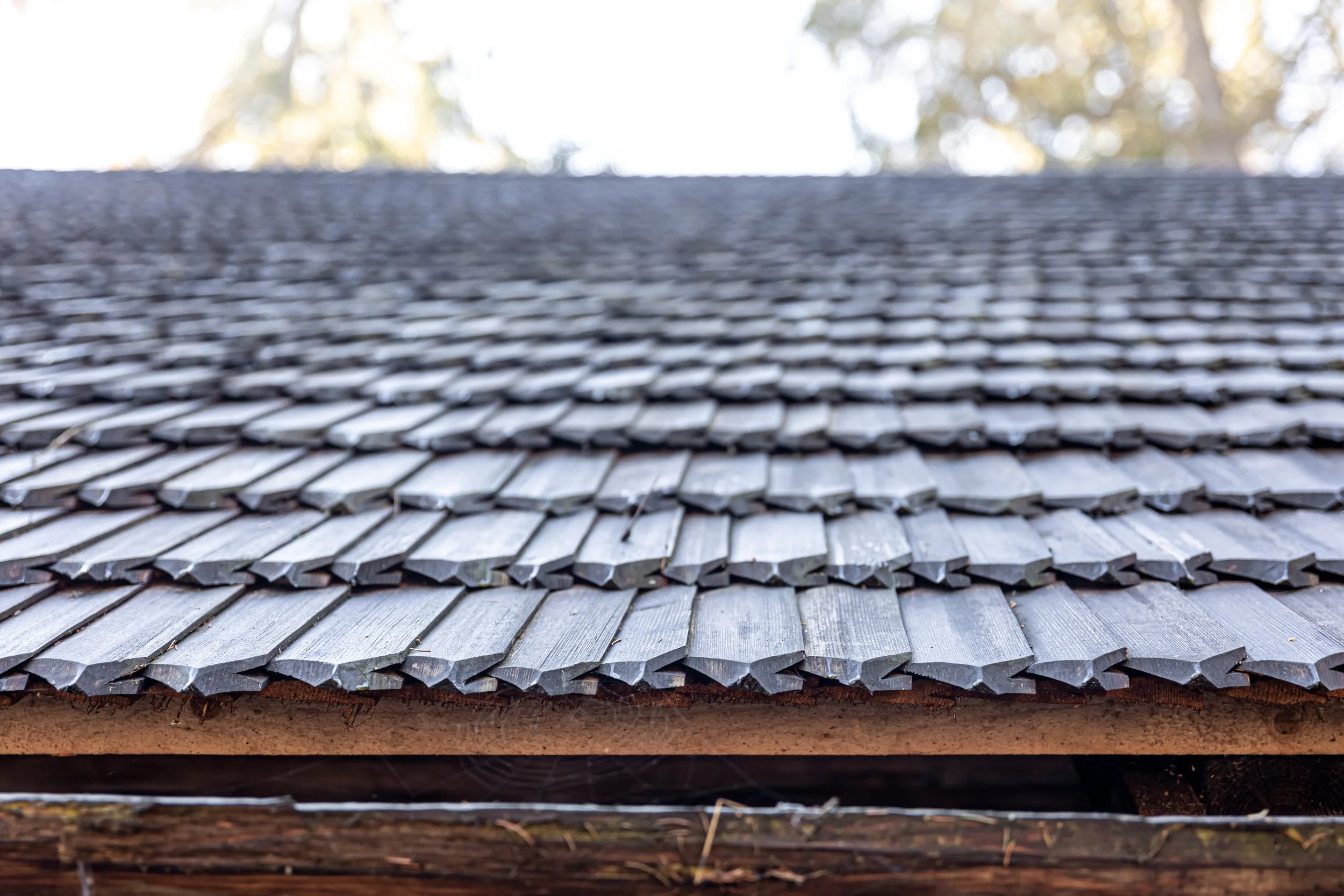
A denied roof insurance claim can feel like a dead end, but it usually is not. Many initial denials are reversed once homeowners understand the reason behind the decision and provide stronger documentation. The process takes effort, but the next steps are more straightforward than they first appear. If you are in the DFW area and need Fort Worth roof replacement services along with support during a disputed claim, Fort Tex Metals and Roofing can assist on the contractor side. Here is what to do after a denial.
Why Roof Insurance Claims Get Denied in Texas
Start by reading the denial letter carefully. The reason listed in that document determines your next move, and responding without understanding it can slow the process down.
Common reasons include damage being classified as wear and tear instead of storm related, costs falling below your policy threshold after depreciation, exclusions for cosmetic damage, late filing, or insufficient documentation. In many cases, the issue is not the absence of damage but the lack of clear evidence supporting the claim.
Step 1: Request the Denial in Writing
If you were told about the denial over the phone, request a written explanation before moving forward. Texas law requires insurers to provide this.
The written denial gives you the exact reasoning you need to respond effectively. Without it, you are working off incomplete information.
Step 2: Get a Thorough Second Inspection
A second inspection is often the most important step. If a contractor was not present during the original visit, there is a strong chance that some damage was missed or not fully documented.
Fort Tex Metals and Roofing provides full exterior inspections that include roofs, gutters, fencing, and other affected areas. The documentation gathered can highlight gaps between what the adjuster noted and what is actually present.
Step 3: File a Supplemental Claim
A supplemental claim asks your insurer to review damage that may have been overlooked or undervalued. To support it, you need a detailed contractor estimate, clear photo and video evidence, and any records that connect the damage to a specific storm.
Strong documentation is what gives a supplement weight. Without it, the outcome is unlikely to change.
Step 4: Request a Re-Inspection from Your Insurance Company
You have the right to request a second inspection, often with a different adjuster. This step is especially useful when new documentation contradicts the original findings.
It also helps to have a contractor present during this visit. Walking the adjuster through specific damage points in real time can make a significant difference.
Step 5: Hire a Public Adjuster
A public adjuster represents you, not the insurance company. They review your policy, assess the damage, and negotiate on your behalf.
Their fee is typically a percentage of the settlement. While they do not perform repairs, they focus entirely on the claim process, which can be valuable in more complex cases.
Step 6: File a Complaint with the Texas Department of Insurance
If communication has stalled or the denial seems questionable, filing a complaint with the Texas Department of Insurance is an option. It creates a formal record and may prompt the insurer to respond more clearly.
This step does not require legal representation and does not lock you into further action.
Step 7: Consult a Texas Insurance Attorney
For larger or more complicated claims, an attorney may be worth considering. Many work on a contingency basis, meaning they are paid only if the case is successful.
While most claims do not reach this stage, legal guidance can help if the insurer appears to be acting unfairly or misinterpreting the policy.
What Fort Tex Metals and Roofing Can Help With
Fort Tex supports homeowners by handling the contractor side of disputed claims throughout the DFW area. Their services include inspections with detailed documentation, written estimates, and support during re-inspections.
They do not file claims or waive deductibles. Instead, they provide accurate and professional documentation that strengthens your position. As a GAF Master Elite Contractor, a designation held by a small percentage of roofers, their reports carry credibility during claim reviews. Service areas include Fort Worth, Keller, Southlake, Colleyville, Aledo, Weatherford, Crowley, Burleson, and nearby communities.
Related Topics: